



According to an analysis by Dr. Laxmaiah Manchikanti, approximately 9 million ESIs are performed annually.
The corticosteroids utilized in these injections are not specifically FDA-approved for this particular use.
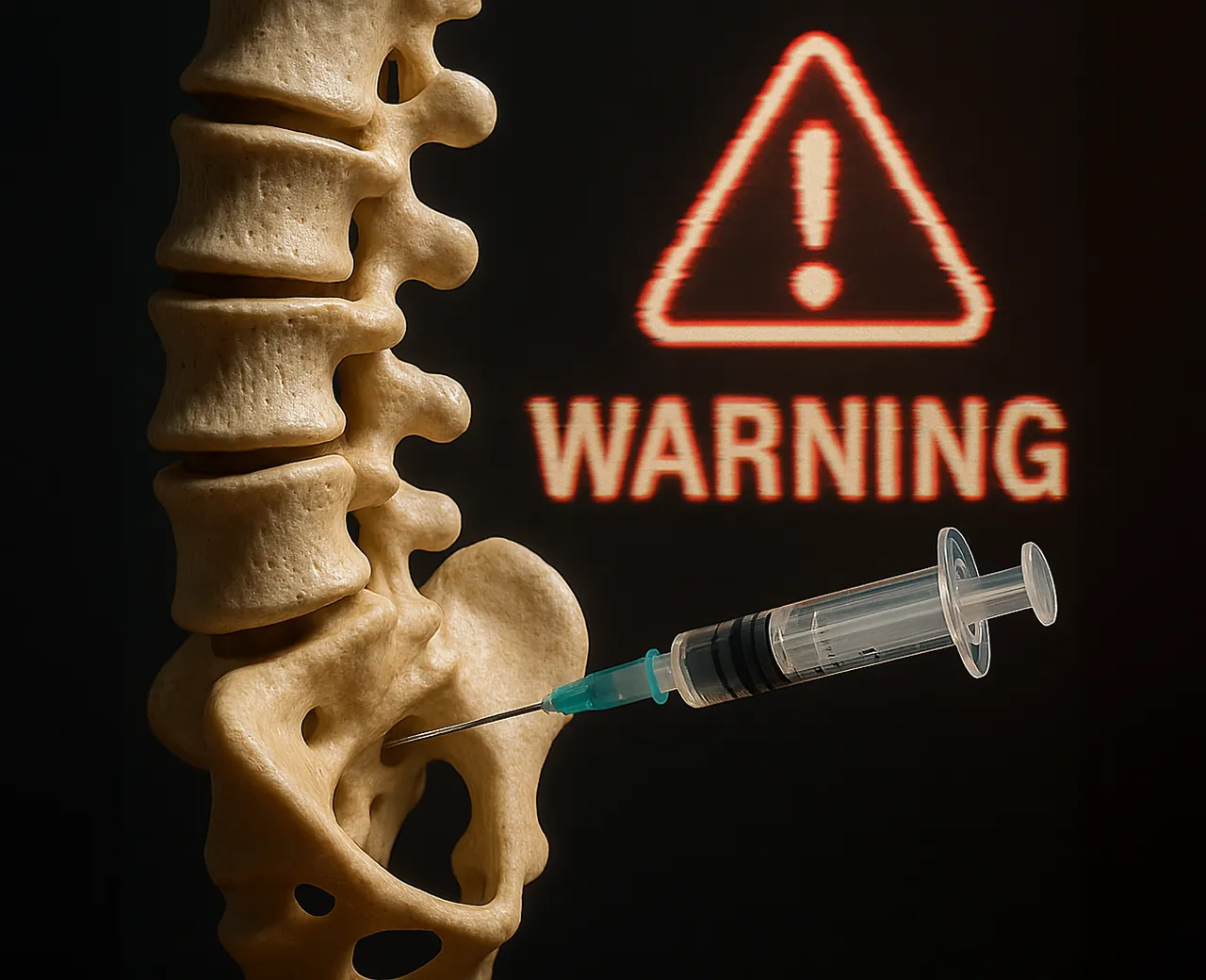
The U.S. Food and Drug Administration (FDA) has issued
a MedWatch Alert regarding epidural steroid injections (ESIs) for back and neck pain.
The alert states that "Injection of corticosteroids into the epidural space of the spine may result in rare but serious adverse events,
including loss of vision, stroke, paralysis, and death".
ESIs involve injecting corticosteroids into the epidural space, an area located between the spinal cord and the bony structure of the spine.
According to an analysis by Dr. Laxmaiah Manchikanti, approximately 9 million ESIs are performed annually.
The corticosteroids utilized in these injections are not specifically FDA-approved for this particular use.
The FDA is now mandating the addition of a Warning to the drug labels of injectable corticosteroids, including methylprednisolone, hydrocortisone, triamcinolone, betamethasone, and dexamethasone, to describe these risks.
While this new warning aims to highlight the risks associated with injecting steroids into the epidural space, it does not enumerate all possible adverse reactions.
These reactions, detailed in the fine print of current drug labels, include:
"arachnoiditis, bowel/bladder dysfunction, headache, meningitis, parapareisis/paraplegia, seizures, sensory disturbances".

In contrast to the FDA's current stance, health authorities in Australia and New Zealand issued a stronger statement, asserting that steroids "MUST NOT be used by the intrathecal, epidural, intravenous or any other unspecified routes".
Dennis Capolongo of the Epidural Drug Non-Compliance (EDNC) group, which advocates against ESIs, characterized the FDA's new warning as "bitter sweet," suggesting it did not go far enough. Capolongo advocates for the FDA to issue a stronger directive,prohibiting the use of these steroids in the epidural space, rather than merely stating that severe side effects "could" occur.

In contrast to the FDA's current stance, health authorities in Australia and New Zealand issued a stronger statement, asserting that steroids "MUST NOT be used by the intrathecal, epidural, intravenous or any other unspecified routes".
The South African government has reportedly issued similar warnings.
The FDA's continued study of these procedures suggests that further actions from the agency may be forthcoming.

We are currently accepting new patients at our location.
As a primary health and wellness center, our family-focused practice provides holistic care that addresses all aspects of your well-being.
Whether you need immediate pain relief or are looking to address ongoing health concerns, we’re here to help.
To make an appointment with one of our providers,
contact us today by visiting our website or calling us at (770-734-5460)
We offer same-day appointments, ensuring you can receive the care you need quickly and efficiently.
Let us help you feel your best!


